
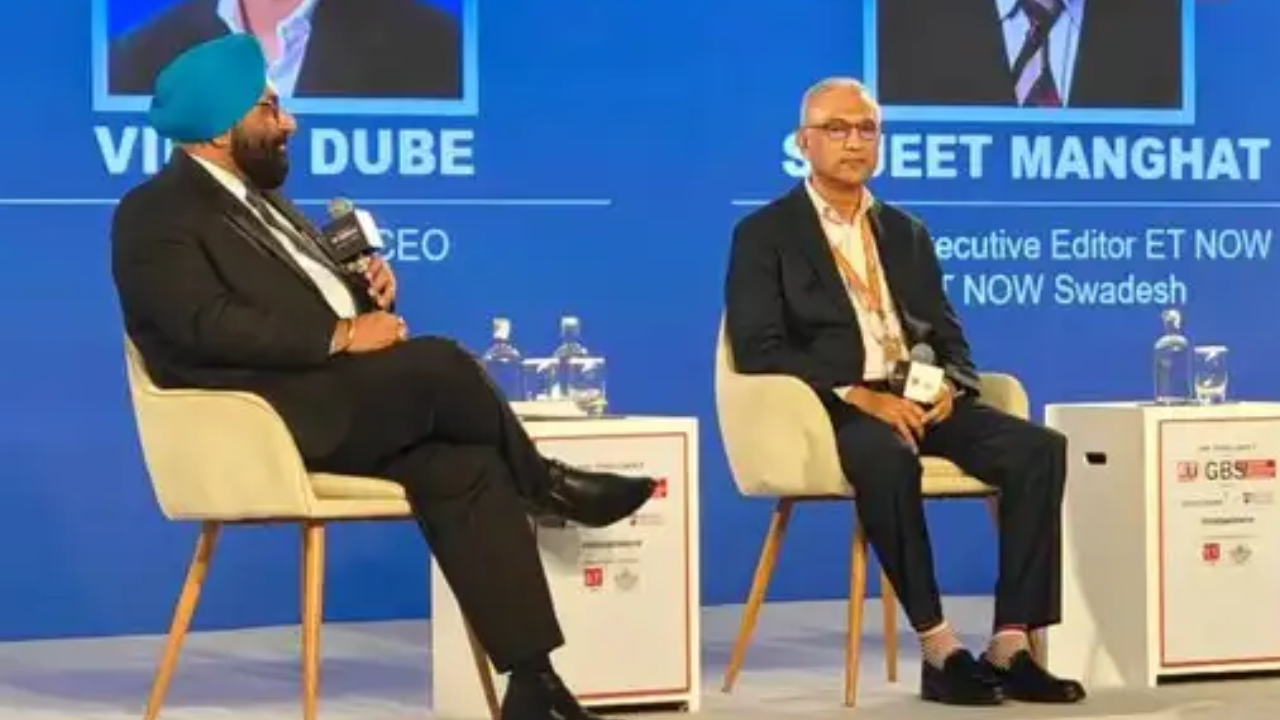
India’s energy security strategy is undergoing a major transformation, with diversification and flexibility now central to policy, Indian Oil Corporation (IOC) Chairman Arvinder Singh Sahney said at the ET NOW Global Business Summit 2026. Addressing the theme of “antifragility” amid global uncertainty, Sahney highlighted how the energy sector has faced continuous disruption in recent years — from the Ukraine conflict to tensions in West Asia and regional geopolitical flare-ups.
“For a country as wide and as big as India, managing energy is not just about efficiency. It is about building optionality and flexibility,” Sahney said.
From 27 To 41 Crude Sources
Sahney pointed to a significant strategic shift in crude sourcing.
“Five years back, I was sourcing crude oil from 27 geographies. Today, I am bringing it from 41 geographies — so that brings antifragility into the system,” he said.
By expanding the span of sourcing locations, India reduces its exposure to supply shocks and geopolitical disruptions.
India imports approximately $135 billion worth of crude oil annually, making energy security a critical economic priority.
Diversification Across LPG And LNG
Beyond crude oil, Sahney emphasised the need to diversify liquefied petroleum gas (LPG) and liquefied natural gas (LNG) imports.
India currently imports around 50–60% of its LPG requirements. “How I diversify the sources of LPG coming to India — that is important,” he noted.
On LNG, he stressed that accessing multiple suppliers enhances hedging flexibility and supply resilience.
Securing Supply Chains
For Sahney, antifragility extends beyond sourcing.
“It is about how I secure supply chains, transportation and the movement of crude and petroleum products from source to Indian shores,” he explained.
Ensuring uninterrupted logistics is as important as diversifying origin points.
Reducing The Oil Import Burden
Sahney acknowledged that the heavy oil import bill represents a significant drain on the economy. However, he pointed to emerging alternatives such as compressed biogas (CBG), ethanol blending, biofuels and green hydrogen as part of India’s long-term strategy to reduce dependence on fossil fuel imports.
“These new fuel options are a boon for the Indian economy, freeing us from dependence on oil imports,” he said.
Sahney concluded by reiterating that India’s energy policy must ensure fuel remains affordable and available at all times for all citizens — even amid global turbulence.
(Experts quoted in this story include: Arvinder Singh Sahney, Indian Oil Chairman)
