
The US and Iran war seems to be far from over, even after the recent peace talks as three tankers were hit in the Strait of Hormuz on Tuesday. These are the first reported attacks in the Strait of Hormuz since the funeral ceremonies for former Iranian Supreme Leader, late Ayatollah Ali Khamenei, began.
A Qatari liquefied natural gas tanker ‘Al Rekayyat’ reported that it had been struck overnight and its engine room set on fire. A Saudi-flagged crude oil tanker, believed to be the supertanker Wedyan, was also damaged off Oman’s coast, and in the latest, the United Kingdom Maritime Trade Operations centre said a third ship was hit by a drone in the critical oil-shipping waterway.
Oil prices reacted sharply to the fresh attacks as they rose over more than 1.5%. Brent crude rises 1.6% to $73.10 a barrel, while WTI futures are up 1.5% to $69.60 a barrel after settling at prewar levels in the previous session.
Kaynat Chainwala, AVP Commodity Research, Kotak Securities said, “The move reversed part of the recent decline that pushed both benchmarks toward their lowest levels since late February, when improving tanker flows and expectations for higher OPEC+ output weighed on prices. Over the weekend, seven OPEC+ members agreed to raise production by about 188,000 barrels per day from August, the fifth straight monthly increase and bringing the cumulative rollback of 2023 voluntary cuts close to one million bpd. Saudi Arabia cut its August Arab Light selling price to Asia by $1.50 below the Oman‑Dubai average, its largest monthly reduction in more than 20 years, as it seeks to regain market share lost to discounted Russian and Iranian crude. Iraq has lobbied for a bigger allocation to recover output lost during recent conflict.”
“Geopolitical tensions remain elevated as Trump warned of further action if talks fail. Markets will watch the EIA’s Short‑Term Energy Outlook due later today and anticipated U.S.‑Iran contacts in Islamabad after the mourning period ends on July 9. With OPEC+ supply additions offsetting the geopolitical bid, the near-term bias for crude stays sideways, with Wednesday’s EIA outlook and Islamabad talks as the next directional triggers.”
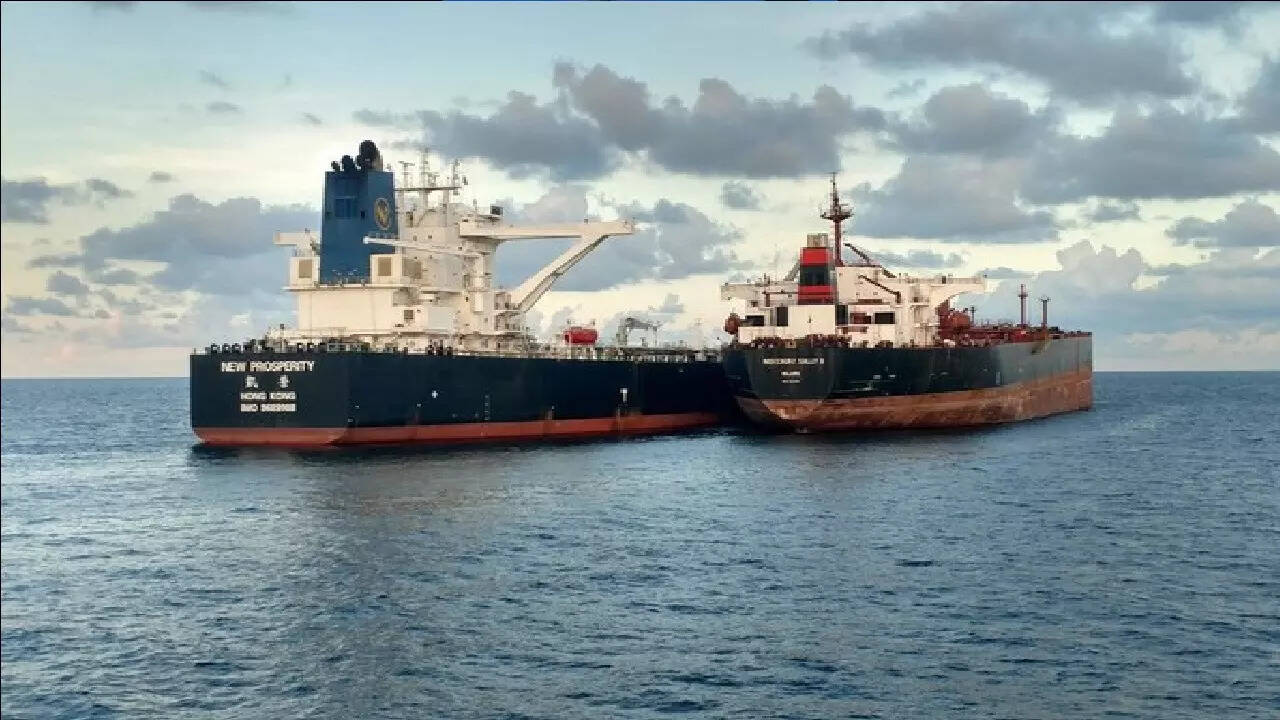
Crude Oil Prices Decline Over 1.5% After Fresh Attacks At Strait of Hormuz
