
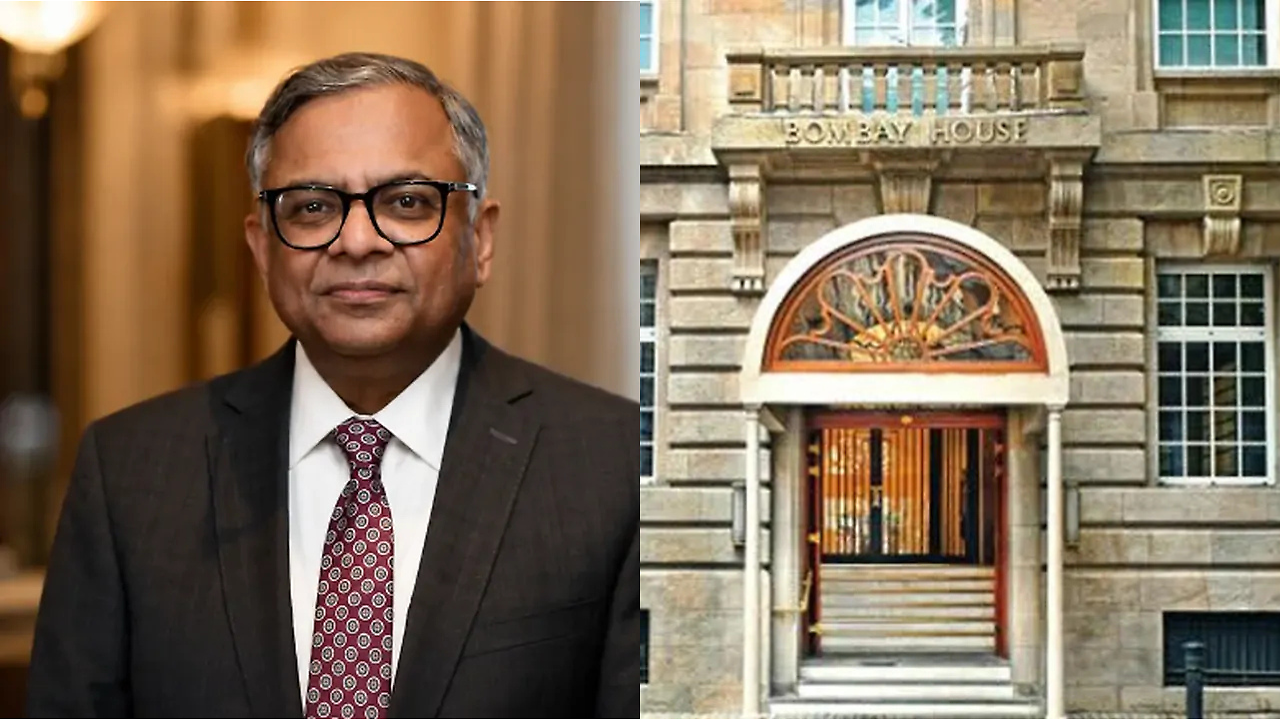
The leadership dispute at Tata Sons has brought Article 118 of the company’s Articles of Association (AoA) into focus, with Tata Trusts chairman Noel Tata questioning the validity of N Chandrasekaran’s reappointment for a third five-year term.
The Tata Sons board approved Chandrasekaran’s reappointment on September 17, 2026, in a 4:1 vote, despite Noel Tata opposing the resolution. Venu Srinivasan, the other Tata Trusts nominee on the board, voted in favour, after which independent director Harish Manwani exercised his casting vote. Tata Trusts has argued that the resolution was invalid because it lacked the required affirmative support from its nominee directors, while Tata Sons has defended the decision, citing legal opinions that support its interpretation of the company’s rules.
The controversy gained another dimension after Tata Sons’ statutory filing, submitted to the Registrar of Companies in October, omitted specific references to Articles 118 and 105, unlike the resolution passed for Chandrasekaran’s second term in 2022.
Dikshat Mehra, Partner at Rajani Associates, told Times Now Digital that the Article 118 cannot be interpreted in isolation and must be read alongside the company’s Articles of Association as a whole. “A reappointment cannot be used as a device to defeat safeguards built into the company’s governing documents,” Mehra said, highlighting the importance of determining whether the selection process is mandatory for a fresh term as well.
Can casting vote override absence of support from Tata Trusts’ nominees?
On the matter whether a casting vote can override absence of support from Tata Trusts’ nominees, Dikshat Mehra, Partner at Rajani Associates told, “A casting vote can break a deadlock; it cannot override a mandatory requirement under the Articles of Association. If Articles requires affirmative support from Tata Trusts’ nominated directors, that requirement cannot be bypassed through a casting vote. The issue is compliance with the Articles, not merely whether the resolution secured a majority.”
Mehra told Tata Trusts can consider approaching the NCLT for appropriate relief, subject to the statutory requirements and maintainability.
“The central question would be whether the Board’s resolution was validly passed under the Articles of Association. In corporate governance, the Board’s decision making power is always subject to the company’s constitutional framework,” he added.
Articles 121 and 105 also important:
In the Tata Sons dispute, Article 121 also matters to an extent. This concerns special voting rights associated with Tata Trusts’ nominated directors, while Article 105 deals with the chairman’s executive powers and remuneration.
Tata Trusts argues that the company’s governance framework requires affirmative support from a majority of its nominated directors for certain decisions. Tata Sons, however, maintains that the September 17 board decision was valid under its interpretation of the applicable rules.
The Tata Sons board approved Chandrasekaran’s third five-year term in a 4:1 vote. Noel Tata opposed the resolution, while the other Tata Trusts nominee, Venu Srinivasan, supported it. Harish Manwani then exercised his casting vote.
