
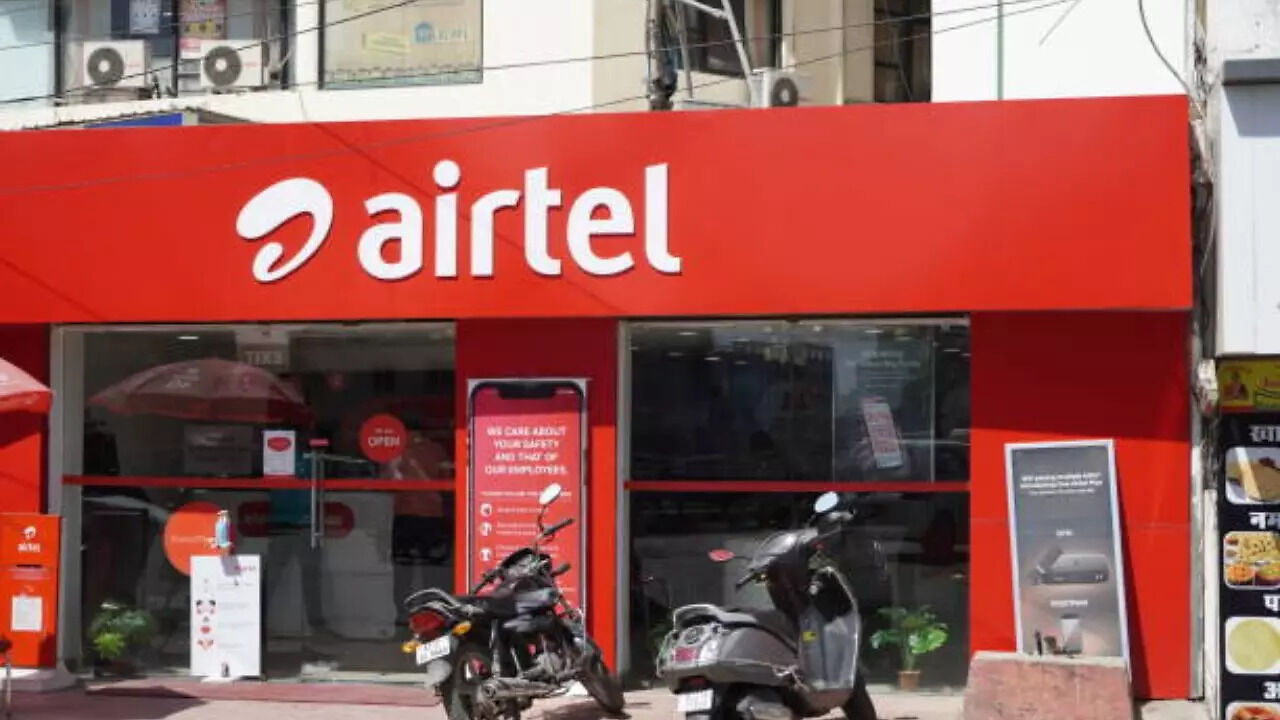
Bharti Airtel founder and chairman Sunil Mittal has called for higher mobile tariffs in India, suggesting that the average monthly bill should increase to around Rs 350 as telecom operators face mounting infrastructure and operating expenses. He believes the proposed pricing would still leave Indian consumers with some of the most affordable mobile services globally. In an interview with PTI marking the 50th anniversary of Bharti Enterprises, Mittal highlighted the widening gap between the investments required to expand India’s telecom networks and the revenues operators generate from customers.
He argued that the industry needs additional financial resources to strengthen connectivity, expand infrastructure and support the growing dependence of businesses and consumers on digital services. However, he did not indicate when the proposed tariff increase could take place.
Mittal said the pricing benchmarks that were considered reasonable a decade ago no longer reflect the industry’s current cost structure. Expenses related to energy, salaries, administration and network operations have increased considerably, making higher customer revenues necessary.
“I used to say earlier, the right level is Rs 300 (monthly revenue per user), but that was 10 years back. There’s some inflation that we all suffer. Oil prices are up, electricity costs are up, employee costs are up, administrative costs are up. Everything is up,” he said.
According to Mittal, a monthly average revenue per user (ARPU) of Rs 350 would offer telecom companies greater financial flexibility while allowing them to continue providing affordable services.
He also maintained that even at this level, Indian mobile tariffs would remain significantly lower than those in other countries.
India’s Telecom Infrastructure Requires Significant Capital
The Airtel chairman pointed to the scale of infrastructure development still required to improve India’s connectivity ecosystem. He noted that the country currently has approximately 3.5 lakh mobile towers, compared with more than 10 lakh in China.
“So, we have a job to do. We have to at least double from where we are today. More fibre and more submarine cables are needed, and all this will require very serious investments,” he said.
The expansion of telecom infrastructure is becoming increasingly important as digital services penetrate more areas of everyday life. Mobile networks now support a wide range of activities, including digital payments, healthcare records, government benefit transfers and online commerce.
Mittal also highlighted the substantial capital deployed towards 5G technology, arguing that the financial returns from these investments have yet to reach the levels operators would ideally expect.
Mittal believes that a monthly mobile expenditure of Rs 350 would translate into a relatively small daily cost for consumers.
According to the PTI report, he suggested that entry-level packages could remain available at prices starting above Rs 200, while higher-value plans could be offered across different price points, including Rs 500, Rs 700, Rs 800 and Rs 1,000.
He estimated that the proposed average expenditure would amount to approximately Rs 10-12 per day.
“You buy now soap and a packet of chips. You know what it costs. Having a bottle of Pepsi costs you a lot more than that ( Rs 10-12/day),” he said.
He further argued that consumers receive considerably more than basic calling and internet access in return for their mobile subscriptions.
“You are not only paying for telecom use, but also banking, education, benefit transfers, UPI payments and health records, “and by the way, enjoy your movies and Instagram and YouTube.”
Another concern raised by Mittal was the difference in how telecom infrastructure providers and digital platforms are valued.
Telecom operators undertake the substantial capital expenditure required to build and maintain networks, while numerous digital businesses depend on this infrastructure to deliver their services.
“We do all the hard work, but we don’t get the same valuation and the profitability that those who don’t make these investments get,” he said.
His comments underline the industry’s long-standing concerns about the financial returns generated from investments in network infrastructure, particularly as digital consumption continues to expand.
