
Our DNA stores a remarkable amount of information. A single gram contains about 215 million gigabytes of data on everything from our eye color to the shape of our feet. Now, scientists are harnessing this storage power to make a low-power memory device.
The technology combines synthetic DNA and a semiconductor to create a memory resistor, or “memristor.” It can store and process information in the same place. According to the team, the device uses 100 times less power while storing more than traditional tools like flash drives. The memristor is described in a study published in the the journal Advanced Functional Materials.
“Biology and electronics are different domains,”study co-author Kavya S. Keremane, a materials scientist at Penn State University, said in a statement. “Bridging these two fields required developing an entirely new materials platform that allows them to function seamlessly together. By combining the information storage capabilities of DNA with the exceptional electronic properties of perovskite semiconductors, we created a bio-hybrid system that fundamentally changes how low-power memory devices can be designed.”
Conventional resistors have a fixed resistance, meaning they will respond to current in the same way regardless of what happened before and they forget everything once they’re turned off. A memristor, on the other hand, changes its resistance based on the history of the current flow. This ability to store and process data is similar to how neurons in the brain work, potentially allowing data to be processed simultaneously and more efficiently. But it also requires a lot of storage and power. That’s where DNA’s capabilities come in.
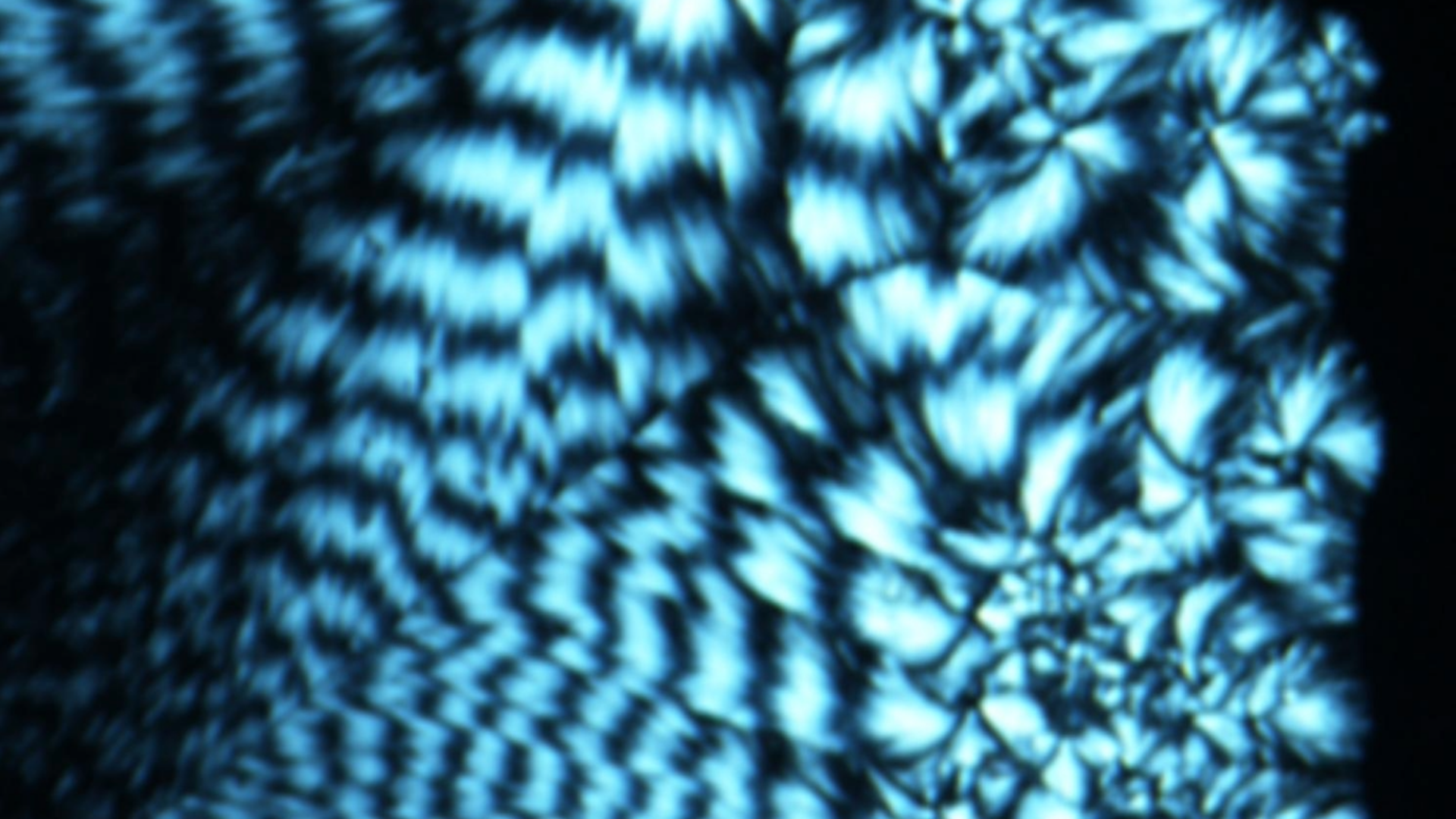
The researchers first designed short pieces of DNA that they could precisely arrange at a tiny scale. Then they added silver nanoparticles to the DNA in a process called “doping,” which helps the DNA conduct electricity. Next, they integrated the doped DNA into thin films of crystalline perovskite, a conductive material that’s used in solar cells and lasers.
“We can computationally determine exactly which sequences we need and how long they should be, and then we can rationally design them with synthetic DNA,” study co-author Neela Yennawar explained. “These structures can be systematically doped with silver and other ions and engineered to interface seamlessly with perovskites—transforming DNA from a biological macromolecule into a programmable, multifunctional nanomaterials platform.”
The DNA doped with silver nanoparticles and perovskite worked using less than 0.1 volt. They also remained stable at temperatures close to 250 degrees Fahrenheit and at room temperature for multiple weeks. That performance far exceeds what current perovskite-based memory storage devices, according to the researchers.
The technology could help pave the way for more powerful and energy-efficient storage devices, something that’s especially important as the demand for artificial intelligence grows. Next, the team plans to continue working on their approach and look for other electronic applications inspired by biology.
“Nature has the solution—we just have to find it and apply it,” said Bed Poudel, a materials scientist and study co-author. “This work of integrating DNA into electronics to do amazing things gives a glimpse into what is possible.”
The post Lab-made DNA can store memory like a flash drive appeared first on Popular Science.
Lab-made DNA can store memory like a flash drive
