
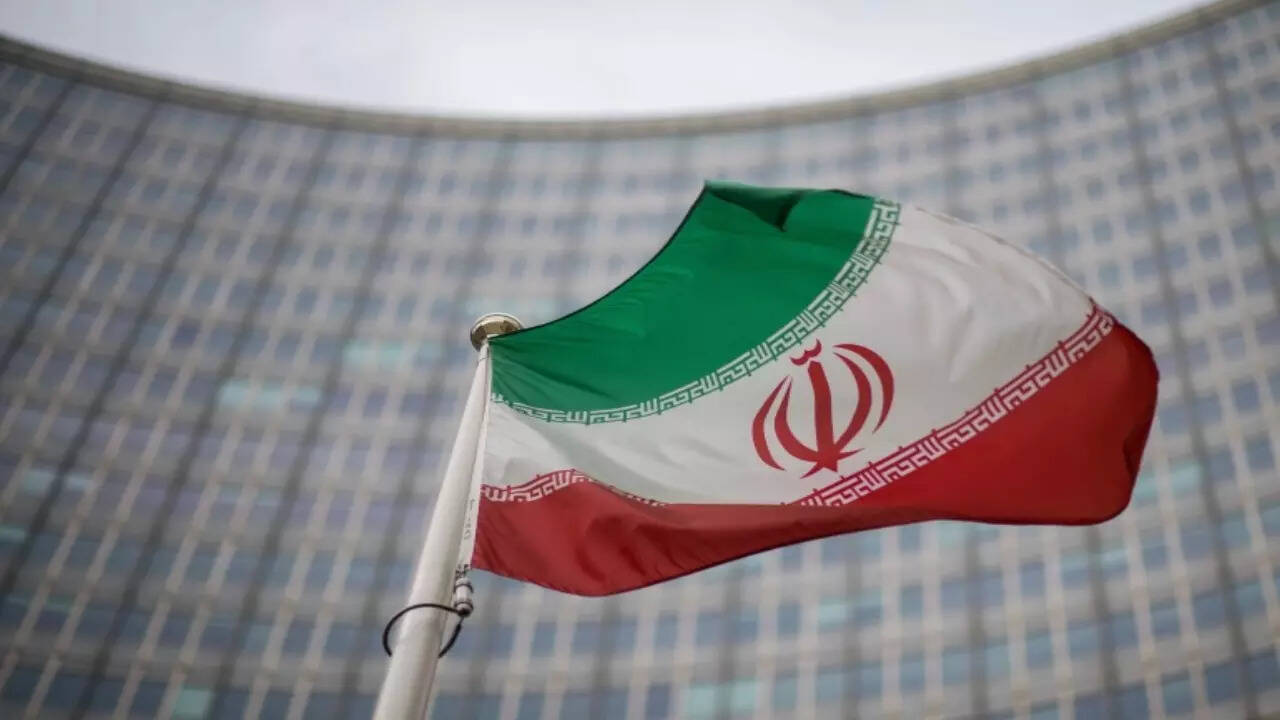
Despite the destruction caused by Iran’s 16-week conflict with the United States and Israel, a newly signed framework agreement between Washington and Tehran could open the door to the most significant economic transformation the Islamic Republic has seen in decades. If the agreement between US President Donald Trump and Iranian President Masoud Pezeshkian survives ongoing diplomatic and regional challenges, Iran could see sweeping sanctions relief, renewed access to global markets, and billions of dollars in economic support, said a report by The New York Times.
A Potential End to Decades of Isolation
For years, Iran has faced some of the world’s toughest sanctions over its nuclear program and support for militant groups. These restrictions have severely limited the country’s oil exports, banking operations, and access to international finance.
Under the framework agreement, sanctions on Iranian oil exports and financial transactions could eventually be lifted, allowing Tehran to reconnect with the global economy and attract foreign investment.
The deal also includes plans to release billions of dollars in frozen Iranian assets. In addition, the United States has agreed to work with regional partners on a proposed $300 billion reconstruction and development fund aimed at helping revive Iran’s war-damaged economy.
New Opportunities Through the Strait of Hormuz
One of the most striking elements of the agreement involves the Strait of Hormuz, the world’s most important oil transit route.
Iran could gain the ability to collect fees from commercial vessels passing through the strategic waterway, potentially creating a significant new source of government revenue. Such a proposal would have been considered highly unlikely before the recent conflict but has now emerged as part of broader discussions surrounding regional stability.
Economic Relief for Ordinary Iranians
Over the next two months, negotiators are expected to work toward a final agreement while implementing confidence-building measures designed to ease pressure on Iran’s population of roughly 90 million people.
The reopening of maritime trade routes, the lifting of restrictions on oil exports, and the release of some frozen assets could provide immediate relief. Iranian businesses would gain easier access to imported goods, while consumers could benefit from lower costs as black-market premiums begin to fade.
Challenges Remain
Economists caution that sanctions were not the only cause of Iran’s economic struggles. Years of mismanagement, corruption, underinvestment, and political repression have also contributed to high inflation, unemployment, and recurring social unrest.
The war has further damaged critical energy, transportation, and industrial infrastructure, leaving major reconstruction needs across the country.
Analysts warn that progress will depend not only on the success of negotiations but also on how Iran’s leadership manages the economy and its relationship with the international community.
Financial Access Could Be the Real Game Changer
While renewed oil exports would provide much-needed revenue for the government, many economists believe the removal of financial sanctions could have an even greater impact.
Restoring access to international banking systems would allow Iranian businesses and entrepreneurs to participate more freely in global trade, attract investment, create jobs, and expand exports.
With its currency heavily undervalued and a large domestic market, Iran could become more competitive in global manufacturing and commerce if sanctions are lifted and economic reforms follow.
For now, the agreement remains a work in progress. But if negotiations succeed, Iran could be on the verge of ending decades of economic isolation and re-entering the global economy in a way that once seemed impossible.
