
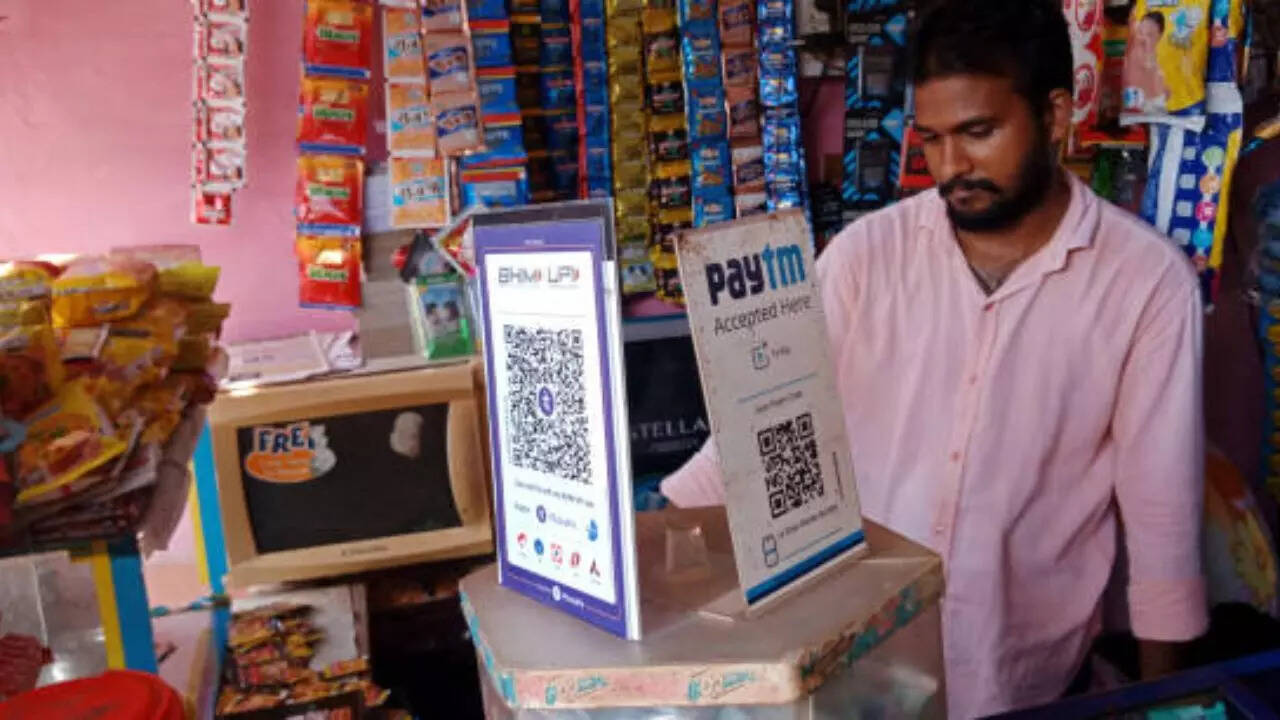
Over the decade, digital payments in India have expanded at an unprecedented pace, reflecting a structural shift in the way individuals and businesses conduct financial transactions. However, this has been accompanied with growing sophistication of fraudulent activities targeting customers.
Recently, the Reserve Bank of India (RBI) has issued a discussion paper proposing a rule that would introduce a delay of a few hours in certain transactions, with the aim of curbing digital fraud.
Given the instantaneous nature of payments through systems such as NEFT, RTGS, UPI and IMPS, the scope for timely intervention and recovery of funds becomes limited.
What RBI has proposed?
Under this proposal, payments could face a delay of up to “one hour”.
Post-transaction remedies to recover such funds being limited, a defrauded user is often left with a few remedies and uncertain outcomes, which are time-consuming and show low recovery rates.
To ensure that low-value transactions continue to remain frictionless, RBI said such lag mechanisms are proposed to be applied only to APP transactions above a specified threshold.
As per the proposal, a threshold of Rs 10,000 per transaction may be considered appropriate.
According to the National Cyber Crime Reporting Portal (NCRP), transactions above ₹10,000 account for approximately 45 per cent of reported fraud cases by volume, but about 98.5 per cent by value.
Under this approach, once a customer initiates transaction exceeding Rs 10,000, a lag period of one hour could be applied. The lag can be applied at the payer’s end or at the payee’s end or both. From an ease of implementation perspective, it is suggested that the lag is introduced at payer’s end only.
What experts said on the proposal?
While speaking with Times Now, Amit Relan, CEO and co-founder mFilterIt said, “One-hour cooling-off period for select UPI transactions is a welcome step however, a last-mile safeguard alone cannot define the future of fraud prevention.”
“True trust must be built much earlier; at account creation, during onboarding, and at the first signal of suspicious activity. The industry now needs to move beyond reactive intervention toward proactive intelligence,” he said.
“Transactions are also intelligently validated in real time using AI-driven risk assessment, behavioral signals, device intelligence, and intent analysis. The platforms that will lead the next phase of digital payments growth will be those that embed trust invisibly into the user experience,” he said.
Amit Kumar, CTO and Director, Easebuzz said, “The challenge today is less about technology and more about human vulnerability. Introducing a brief ‘cooling-off’ period aligns with the critical golden hour principle of fraud & risk management, giving both users and institutions a vital window to detect, reassess, and stop fraudulent transfers before funds are irreversibly moved.”
“While this may introduce some friction for legitimate users in the initial stages, Smarter technologies will come in to enable convenience with appropriate gaurdrails. The larger objective is to move from blind speed to informed speed, where trust, not just convenience, underpins the future of digital payments,” he told Times Now.
Further, Prakash Ravindran, Co-Founder and CEO, InstiFi said, “India has built one of the fastest digital payment ecosystems in the world, but with that speed has come a different kind of risk. Today, most fraud does not happen because systems are broken. It happens because people are pressured or misled into sending money themselves.”
“A one hour window may appear small, but it creates a moment to pause, think, and verify. Often, that brief pause is enough to prevent a loss.”
