
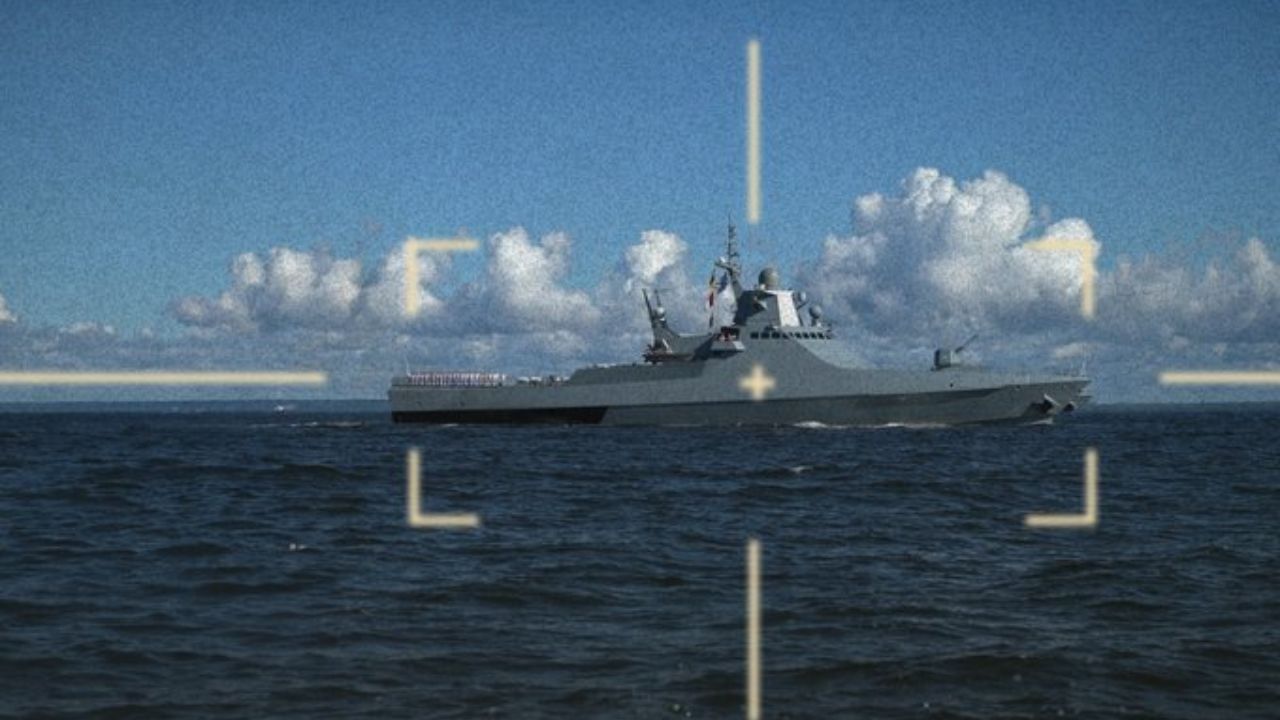
A mysterious vessel posing as a liquefied natural gas (LNG) carrier has reportedly transited the Strait of Hormuz, raising fresh concerns over evolving tactics used to bypass risks in one of the world’s most sensitive energy chokepoints.
Ship-tracking data showed a vessel identifying itself as “Jamal” exiting the strait, but records indicate that the real LNG carrier had already been scrapped at a demolition yard in India in October last year. This suggests the vessel may be a so-called “zombie ship”—a tanker that assumes the identity of a defunct, legitimate vessel, said a Bloomberg report.
A new tactic in a war zone
The emergence of such a ship marks the first known instance of a zombie vessel being used to navigate the Strait of Hormuz since the escalation of conflict involving Iran. The waterway has effectively become a high-risk zone, with traffic slowing to near standstill amid missile threats and military tensions.
Only a handful of ships have managed to pass through recently—often after securing informal clearance from Iranian authorities.’
Suspicious movement patterns
The vessel’s behavior has added to the intrigue:
First appeared on tracking systems around March 13 near Oman
Went “dark” by switching off its transponder
Re-emerged days later near the United Arab Emirates with no clear destination
Last tracked off Iran’s southeastern coast
Such erratic signaling patterns are commonly associated with vessels attempting to obscure their identity or route.
Rise of “zombie ships”
The concept of zombie ships, while not new, has been utilized in sanctioned oil trade, especially in countries like Venezuela and Russia. However, the utilization of these ships in the LNG trade, especially in the Strait of Hormuz, is unprecedented, especially since the number of LNG ships is limited. The incident also points to the fact that maritime strategies are changing rapidly, especially as geopolitical risks increase.
Strategic implications
The Strait of Hormuz is an important shipping lane for global energy trade, transporting a significant percentage of the world’s oil and gas. Any interference or work-around, as seen in this instance, is significant for global markets.
Countries like India and Turkey have allegedly negotiated a safe passage for their ships, while others have used tactics like switching off their tracking systems to avoid detection as interference through electronic means increases in the region.
The sighting of a ‘zombie LNG ship’ points to a new era of risk-taking at sea, where deception, manipulation of signals, and masking of identities are becoming new ways to traverse conflict zones. The situation is unlikely to improve as tensions remain high.
