
In early 2026, escalating conflict in the Middle East , particularly the US–Israeli strikes on Iran and threats to the Strait of Hormuz , has sent crude oil prices swinging and shaken global markets. Amid the uncertainty, investors are looking for stable guidance. The long-standing investment principles of Warren Buffett , including his early “70/30” allocation concept , offer a practical framework for navigating geopolitical turbulence.
The “70/30 rule” dates back to Buffett’s 1957 letter to partners in his investment partnership. As highlighted in a January 2026 article by The Motley Fool, Buffett explained that roughly 70% of capital could be allocated to undervalued stocks , which he called “general issues” , while the remaining 30% would go into “corporate work-outs.” These are special situations such as mergers, liquidations, tender offers or restructurings where profits come from specific events rather than broad market appreciation.
Over time, many investors have simplified this idea into a 70% stocks and 30% bonds portfolio split for balanced investing. However, Buffett’s original framework leaned more toward special situations rather than traditional fixed-income investments.
Buffett has also offered different guidance depending on an investor’s experience. In his 2013 shareholder letter, he famously advised that the trust for his wife should invest 90% in a low-cost S&P 500 index fund and keep 10% in short-term US Treasury bonds. The recommendation highlighted his belief that long-term exposure to equities is the most effective way for most investors to build wealth, with a small bond allocation providing stability and liquidity.
In today’s environment , where oil price spikes linked to disruptions around the Strait of Hormuz are fueling inflation concerns and market swings , Buffett’s broader philosophy remains highly relevant. Historically, he has treated geopolitical crises as temporary events rather than long-term threats to productive assets. Buffett has often warned against panic-selling during wars or economic shocks, arguing that while governments can print money and promises, they cannot create real assets such as oil, farmland or thriving businesses.
His own investment approach reflects caution without abandoning opportunity. Berkshire Hathaway currently holds a massive cash reserve exceeding $370 billion, according to its latest shareholder update released in February 2026 under successor Greg Abel. The conglomerate’s equity portfolio remains concentrated in durable companies such as Apple, American Express, Coca‑Cola and Moody’s, along with stakes in major Japanese trading houses. These investments generate steady dividends and reflect Buffett’s long-standing strategy of buying “wonderful companies at fair prices.”
Whether investors should adopt a 70/30 allocation today largely depends on their experience and time horizon.
Experienced investors who can identify undervalued companies or special situations may prefer a higher equity allocation to capture long-term growth. For most individuals, however, Buffett’s simpler guidance still applies: invest consistently in low-cost index funds, maintain a modest bond buffer for stability, and avoid reacting impulsively to geopolitical headlines.
In periods of oil-driven volatility and global tension, Buffett’s core message remains unchanged , stay invested in productive assets, ignore short-term fear and allow time and compounding to work. Crises may disrupt markets temporarily, but strong businesses tend to endure and grow over the long run.
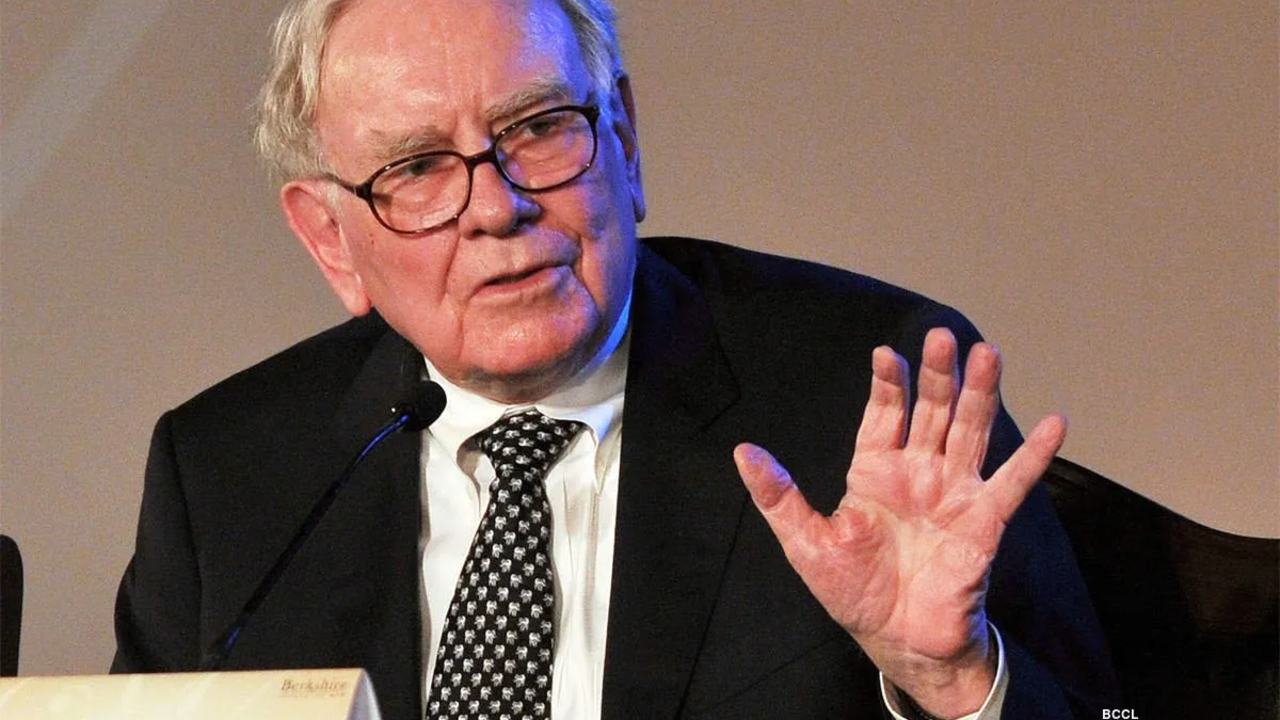
Warren Buffett’s 70/30 Investing Rule: The Strategy That Could Help Investors Navigate War-Driven Market Volatility
