
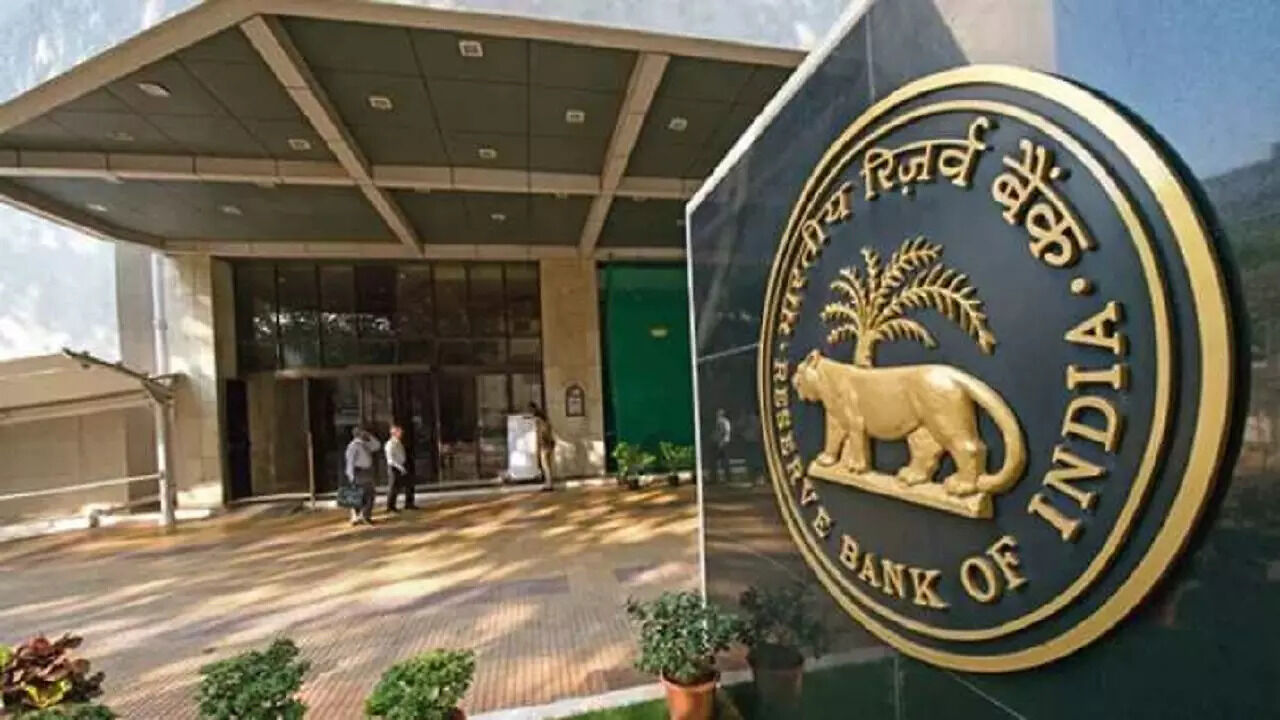
The Reserve Bank of India (RBI) is preparing to introduce stronger safeguards for digital banking customers, with a fresh set of proposals aimed at reducing electronic payment fraud and giving account holders greater control over their money. The proposed measures include an instant ‘Stop Switch’ to suspend outgoing transactions, an additional verification system involving a trusted individual, and customizable digital payment limits. The initiatives are part of a broader effort to strengthen preventive security measures across India’s banking system.
On Monday, the central bank released seven draft amendment directions covering various categories of banks. It has invited feedback from regulated institutions, customers and other stakeholders until December 14, 2026.
One of the most notable proposals is a facility that would allow customers to immediately stop all future customer-initiated debit transactions linked to their bank accounts.
“A bank shall provide its customers with a Stop Switch facility for immediate disablement of all outward future debits associated with her / his account(s),” the draft directions stated.
Once switched on, the facility would block customers from initiating outgoing payments, creating fresh payment mandates, establishing standing instructions or registering their UPI accounts on new third-party payment applications.
However, the proposed restrictions would not extend to incoming payments. Existing recurring mandates, standing instructions and bank-initiated deductions for loan repayments or service charges would also continue.
Customers To Get More Control Over Digital Payment Limits
The draft framework also aims to make digital banking more customizable by letting customers control how and when they can use their payment channels. Account holders would be able to switch individual digital payment facilities on or off through online or offline banking services. They could also reactivate disabled channels whenever required.
Additionally, customers would have the option to establish transaction ceilings for individual transfers, selected beneficiaries and total daily payments across digital channels.
Another proposed feature would allow users to schedule periods during which particular digital payment facilities remain inactive.
The RBI has also suggested that digital payment services should be switched off by default when a new bank account is opened. Banks would need to obtain the customer’s explicit approval and complete the required authentication process before enabling these facilities.
For newly activated payment channels, banks would introduce an initial aggregate transaction limit for the first 24 hours, with the ceiling determined through their internal risk assessment.
Trusted Person Mechanism Adds Another Layer Of Verification
The central bank has proposed a Trusted Person Mechanism (TPM) to provide additional oversight for transactions above a threshold selected by customers. Under this arrangement, an account holder could voluntarily nominate an individual aged at least 18 to act as an additional authentication contact.
“A bank shall put in place a mechanism, called the Trusted Person Mechanism (TPM), to enable customers to register a trusted person to act as an additional factor of transaction authentication,” the RBI stated.
Whenever a transaction crosses the customer’s specified limit, the nominated individual would receive its details and have up to one hour to approve it. A transaction would be declined if the trusted individual explicitly refuses authorisation or does not respond within the allotted timeframe.
The proposed mechanism would exclude UPI transactions, merchant payments and recurring transfers processed through standing instructions, electronic mandates and NACH mandates.
Importantly, being nominated as a trusted person would not give an individual ownership of the account, permission to operate it or responsibility for its financial obligations.
Banks would also have to observe a 24-hour waiting period before activating this additional authentication arrangement.
RBI Proposes Wider Definition Of Bank Negligence
Alongside customer-focused security features, the RBI wants to strengthen accountability among banks when fraudulent electronic transactions occur.
The proposed amendments would broaden the meaning of ‘negligence by a bank’ to include failures to follow mandatory authentication procedures, issue required transaction notifications and maintain accessible, round-the-clock channels for reporting suspected fraud.
Delays in responding to customer complaints would also fall within the expanded definition.
The proposal further covers technical failures, cybersecurity breaches and collusion involving bank employees or external service providers engaged by financial institutions, provided these incidents contribute to fraudulent electronic transactions.
These changes are intended to ensure that banks are held accountable not only for direct operational failures but also for weaknesses in their security and customer-support systems.
New Rules Could Begin Rolling Out From 2027
The proposed amendments build on the RBI’s June 24, 2026 directions relating to customer protection against fraudulent electronic banking transactions. Explaining the rationale behind the latest proposals, the central bank said, “While the revised framework primarily addresses customer liability in the event of fraudulent EBTs, a need is felt to strengthen the same from a preventive perspective by providing customers with greater control over the manner and extent to which digital payment channels may be used.”
The seven draft directions apply to commercial banks, small finance banks, payments banks, local area banks, regional rural banks, urban co-operative banks and rural co-operative banks.
For commercial banks, most of the proposed provisions are scheduled to take effect on July 1, 2027. Banks may introduce the measures earlier on a voluntary basis.
However, certain requirements relating to the expanded definition of bank negligence are proposed to become effective from January 1, 2027.
The RBI is currently seeking feedback from banks, members of the public and other interested stakeholders. Responses must be submitted by December 14, 2026, before the proposals move further through the regulatory process.
