
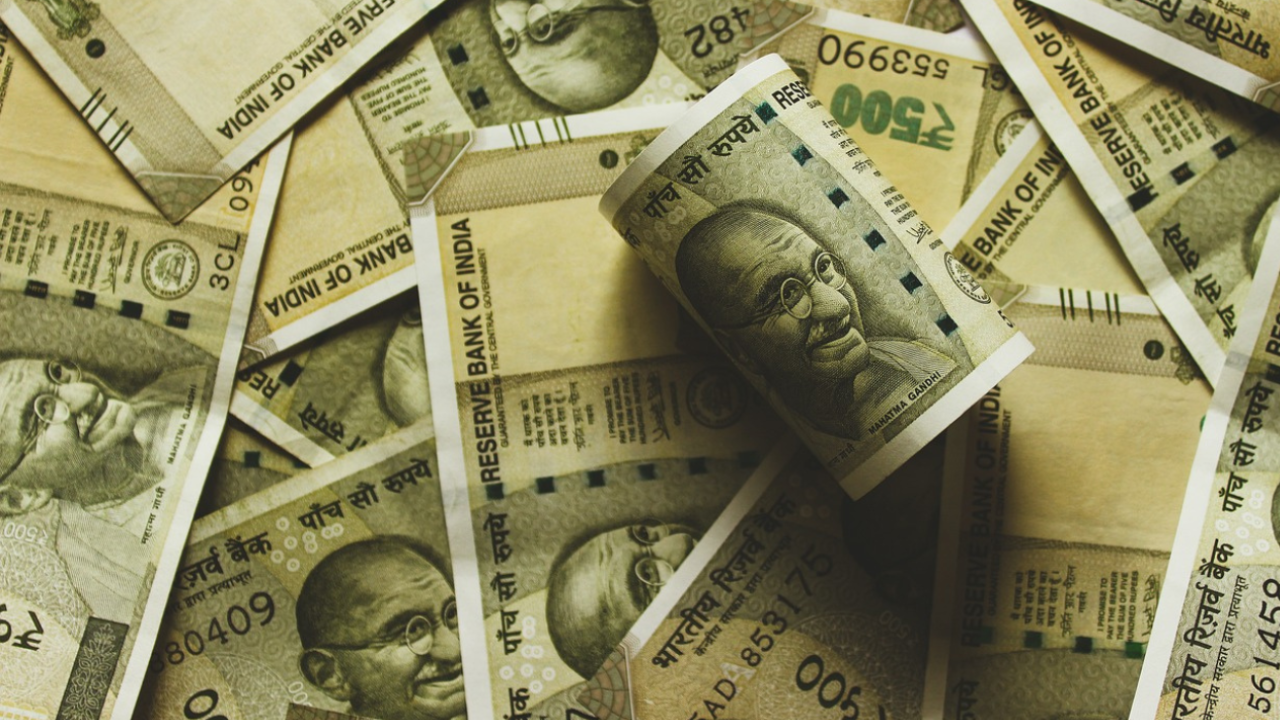
The Centre increased the Dearness Allowance (DA) for central government employees and pensioners by 2 per cent earlier this year, raising it from 58 per cent to 60 per cent of basic pay with effect from January 1, 2026. As anticipation builds over the next revision, many employees are now watching closely to see whether another 3–4 per cent increase could be announced in the coming weeks.
The previous revision was approved by the Finance Ministry in April and was calculated using the 12-month average of the All India Consumer Price Index (AICPI), following the methodology laid down by the 7th Pay Commission. Since 2021, the current pay commission has overseen ten DA revisions, with the largest increase being 11 per cent in July 2021. The two most recent hikes stood at 3 per cent and 2 per cent for July 2025 and January 2026, respectively.
Meanwhile, the 8th Pay Commission is expected to submit its recommendations around 18 months after its formation, suggesting that a final report may be presented as early as February or April 2027.
Dearness Allowance is a cost-of-living adjustment provided by the central government to help employees and pensioners cope with inflation. Unlike salaries in the private sector, DA is a government benefit that is revised periodically in line with changing price levels.
Nearly 50 lakh central government employees and around 65 lakh pensioners, including retired defence personnel and railway employees, receive DA. The actual increase in salary varies depending on the employee’s pay level under the prescribed pay matrix, which currently consists of 18 different levels.
Industrial DA Vs Variable DA: What’s The Difference?
For calculation purposes, Dearness Allowance is divided into two categories.
Industrial Dearness Allowance (IDA) is applicable to employees of central public sector enterprises and is reviewed every quarter. Its calculation is linked to the Consumer Price Index (CPI).
Variable Dearness Allowance (VDA), on the other hand, applies to central government employees and is revised twice every year. While CPI data is released every month, changes in VDA occur only after the Centre revises the minimum wages.
Both categories rely on a fixed base index along with CPI data to determine the revised allowance.
Can Employees Expect Another DA Hike This Month?
Expectations are rising that the Centre could announce another Dearness Allowance revision during the July-September period as inflation continues to influence household expenses. Several reports suggest that central government employees and pensioners are hoping for a 3–4 per cent increase, although the final figure will depend on official inflation data.
The Labour Bureau’s All India Consumer Price Index for Industrial Workers (AICPI-IW) for June 2026 is yet to be released. Since DA revisions are based on the 12-month average of this index, the upcoming data will play a crucial role in determining the final increase.
However, the announcement is subject to approval by the Union Cabinet, which takes the final decision after reviewing the inflation data and other relevant factors.
The 7th Pay Commission introduced a formula based on the 12-month average of the AICPI to determine DA revisions.
For central government employees, the formula is:
DA percentage = [(Average of AICPI (Base Year 2001 = 100) for the last 12 months – 261.42) / 261.42] × 100
For public sector employees, the calculation is:
DA percentage = [(Average of AICPI (Base Year 2001 = 100) for the last three months – 126.33) / 126.33] × 100
Although attention is gradually shifting towards the 8th Pay Commission, DA revisions under the 7th Pay Commission framework will continue until the new recommendations are accepted and implemented. Based on previous pay commission timelines, even if the 8th Pay Commission submits its report in 2027, the implementation process could extend until 2029 or 2030.
